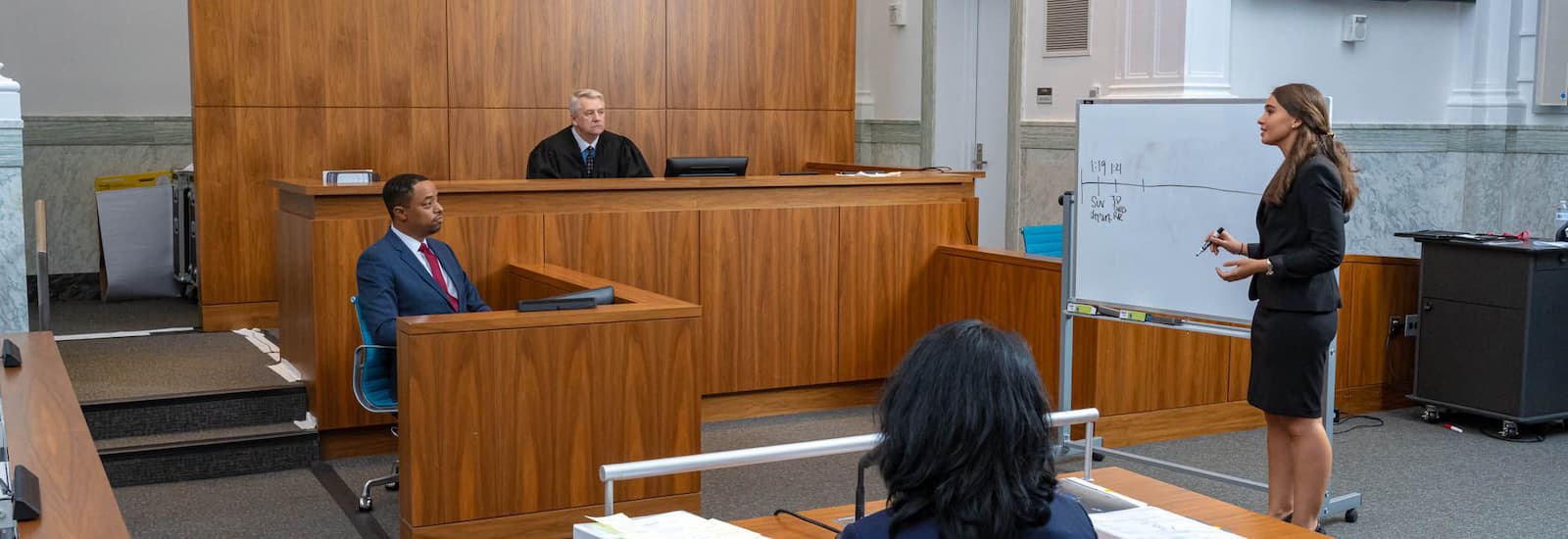


Courtrooms do not run on drama alone. They run on detail, timing, pressure, and the strange human habit of missing the thing that mattered most until someone points at it under bright lights. That is why Trial Review Tips matter long before a closing argument ever lands.
If you want sharper judgment on a case, you cannot just read transcripts and call it work. You have to see how testimony connects, where strategy bends, and why one weak moment can stain an otherwise solid record. Good review is not paperwork. It is pattern recognition with consequences.
I learned early that bad case review usually comes from rushing to the headline issue. Lawyers, clerks, and analysts often chase the loudest dispute while the quieter procedural slip sits in the corner waiting to decide everything. That mistake costs time, money, and sometimes the whole case.
The better approach is disciplined, practical, and honest about what the record really shows. When you review a trial well, you stop guessing. You start seeing the case as it actually unfolded, not as either side wishes it had.
Start With the Record Before You Start With Opinions
A strong review begins with the record, not your theory of the case. That sounds obvious, yet people still read a summary memo first and the transcript second. That order invites bias. Once your mind picks a winner, every later detail starts dressing up that first impression.
The smarter move is simple. Build a clean timeline of filings, rulings, testimony, objections, exhibits, and verdict events before you decide what any of it means. A timeline turns noise into sequence. Sequence turns confusion into structure. That is how legal case analysis gets grounded instead of theatrical.
Take a fraud trial with five days of witness testimony. Day three may look explosive because a witness snapped under cross. Still, day one may contain the real hinge point if the judge limited a defense exhibit that would have changed the story. Heat is not always significance.
Once you map the record, your later interpretations get tougher and cleaner. That matters because every section after this depends on one thing: you must know what happened, in what order, and under what ruling. Anything less is courtroom fan fiction.
Watch the Judge as Closely as the Witnesses
After the record gives you structure, the judge gives you tone. Many case reviews focus on witnesses because witnesses are dramatic and judges often look restrained. That is a mistake. Judges shape the battlefield with evidentiary calls, scheduling choices, jury instructions, and the patience they show each side.
A judge’s pattern matters more than any one ruling. Did the court give one side room to cure sloppy mistakes? Did objections get sustained sharply for one lawyer and brushed aside for the other? A review should track those moments because they reveal how the trial atmosphere formed.
I once saw a case where both parties claimed the verdict turned on expert testimony. Maybe partly. What really changed the trial was the judge’s repeated refusal to let one lawyer wander beyond narrow foundation questions. The jury never heard a full theory because the lane stayed closed.
That is the point. Trial outcomes often grow from judicial management as much as witness performance. When you review the judge’s role with care, the case stops looking random. It starts looking shaped, and shaped cases are easier to understand, challenge, or defend.
Separate Credibility From Likeability
Now you get to the trap that catches almost everyone: confusing a pleasant witness with a believable one. Juries do it. Lawyers do it. Reviewers do it too. A witness can sound calm, polished, and thoughtful while quietly dodging every hard fact in the record.
Credibility has to rest on consistency, corroboration, and pressure response. Did the witness hold up when confronted with dates, emails, photos, or prior testimony? Did small details stay steady? Did the person answer the question asked, or perform around it with polished little speeches?
A good example comes from negligence trials. The most charming witness in the room is sometimes the least reliable because confidence hides gaps. Meanwhile, the awkward witness who pauses, corrects a date, and sticks to what they know may read as more trustworthy when the transcript gets tested later.
That is why smart reviewers separate human charm from evidentiary weight. In Trial Review Tips, this might be the habit that saves you most often. People fall for presentation. Records reward consistency. Those are not the same thing, and pretending they are will wreck your read of a case.
Study Objections Like They Are Clues, Not Interruptions
Once you understand credibility, objections stop looking like annoying pauses. They become clues about fear, weakness, and strategy. Every objection tells you what a lawyer wants to block, delay, blur, or protect. That alone makes them worth serious review.
You should not just count objections. Study what triggered them, how the judge ruled, and what happened in the next thirty seconds. Did counsel rephrase smoothly or stumble? Did the witness suddenly gain confidence after an overruled objection? Did the jury watch the lawyer or drift away?
One product liability trial I reviewed looked dull on paper until I tracked the objections. Then the shape appeared. The defense objected hard whenever internal testing language edged toward prior notice. That repeated pattern exposed the pressure point of the case better than the opening statements ever did.
This is where many analysts get lazy. They mark objections as procedural clutter and skip ahead to verdict logic. Bad habit. Objections are tiny windows into strategy under stress, and strategy under stress usually tells the truth faster than polished argument ever will.
Finish by Asking What Will Matter on Review or Appeal
By the time you reach the end of the record, your job is no longer to admire your notes. Your job is to decide what matters next. Some points matter for trial strategy lessons. Some matter for settlement posture. A smaller set matters for post-trial motions or appeal.
That final filter requires discipline. Not every bad ruling is reversible. Not every dramatic exchange changed the verdict. You need to ask harder questions. Was the issue preserved? Was there prejudice? Did the point affect the jury’s path, or just irritate one side for ten minutes?
Think about a criminal case where the defense complains about prosecutorial language in closing. Harsh words alone rarely carry the day. But pair that with a weak curative instruction, a tight evidentiary margin, and repeated emotional framing, and suddenly the issue starts to breathe.
That is the real finish line for legal case analysis. You are not reviewing a trial to sound informed at lunch. You are reviewing it to identify what can be used, challenged, taught, or fixed. A case file should end in action, not admiration.
Conclusion
The difference between shallow review and useful review is not intelligence. It is discipline. Smart people still get seduced by style, noise, and hindsight. They chase flashy testimony, miss the judge’s fingerprints, and talk themselves into theories the record never actually supports.
You do better work when you slow down and ask plain questions. What happened first? What changed the room? Which witness stayed steady under pressure? Which ruling shaped the choices that followed? Those questions sound ordinary, but ordinary questions often expose the deepest weakness in a case.
That is why Trial Review Tips should never be treated like a checklist you skim once and forget. They are habits that sharpen judgment over time. The more often you review trials this way, the less likely you are to get fooled by performance, panic, or selective memory.
So here is the next step: pull one past case file, build the timeline, mark the objections, track the judge, and test each witness for consistency instead of charm. Then do it again next week. Skill grows from repetition, not inspiration. Start reviewing like the outcome still matters—because it usually does.
What are the best USA trial review tips for beginners?
Start with the case record, not your opinion. Build a timeline, mark key rulings, and track witness consistency. Beginners improve fast when they stop chasing drama and start spotting sequence, pressure points, and preserved issues that actually shape outcomes in court.
How do you review trial transcripts for legal case analysis?
Read transcripts with a pencil mindset, even on screen. Mark contradictions, shifts in tone, objection patterns, and missing foundations. Then compare those moments against exhibits and rulings. The transcript matters most when you connect it to everything surrounding it.
Why do objections matter during trial review?
Objections reveal strategy under stress. They show what each side fears, what the judge will allow, and where testimony may be wobbling. When you study objections closely, you see trial architecture instead of random courtroom noise and surface-level performance alone.
How can you tell if a witness was credible in court?
Ignore charm first. Check whether the witness stayed consistent, answered directly, handled documents honestly, and matched other evidence. Credibility grows from alignment under pressure, not smooth delivery. A polished voice can still carry weak facts and shaky memory.
What should lawyers look for when analyzing a jury trial?
Lawyers should track rulings, jury instructions, witness stability, objection outcomes, and moments where the narrative shifted. A jury trial often turns on accumulated impressions, not one dramatic exchange. Small courtroom choices can quietly shape the verdict more than headlines.
How do judges influence trial outcomes during case review?
Judges shape trials through pacing, evidentiary rulings, jury guidance, and tolerance for each side’s mistakes. During review, note patterns, not isolated moments. A judge who repeatedly narrows one theory or grants recovery chances can alter the whole case path.
What is the first step in reviewing a trial record?
The first step is building a clean factual timeline from filings through verdict. That timeline stops guesswork before it starts. Once events sit in order, you can test significance, see pressure points, and avoid falling for whichever issue sounds loudest.
How do you identify appeal-worthy issues after a trial?
Look for preserved errors that likely affected the outcome, not just irritating moments. Ask whether counsel objected properly, whether prejudice followed, and whether the ruling changed the jury’s path. Appeal-worthy issues usually combine procedure, harm, and timing in one package.
What common mistakes ruin trial review quality?
People ruin trial review by trusting summaries too early, overvaluing charm, skipping objections, and treating every bad ruling like reversible error. The biggest mistake, though, is reading for confirmation instead of discovery. Once bias enters, the record starts shrinking.
How long should a proper legal trial review take?
A proper review takes as long as the record demands, but rushed review nearly always costs more later. A short hearing may need hours. A long jury trial may need days. Speed matters less than whether your conclusions can survive challenge.
Can non-lawyers learn to analyze trial proceedings well?
Non-lawyers can learn strong trial analysis if they stay disciplined. Focus on sequence, consistency, rulings, and evidence links instead of legal swagger. You do not need courtroom ego to spot weak testimony or procedural trouble. You need patience and clean note-taking.
How do trial review tips improve future case strategy?
Good review changes future strategy because it turns hindsight into method. You see where preparation failed, what arguments landed, and which habits hurt credibility. Teams that review trials honestly stop repeating expensive mistakes and start making cleaner decisions earlier.