
A verdict can look sudden when it lands, but anyone who has watched a real courtroom knows better. The final moment gets the spotlight, yet the outcome usually starts taking shape long before the jury files back in. Tone, timing, witness control, judge rulings, and the plain old human reactions inside the room all start pulling weight early.
That is why trial factors matter more than most people think. You can have a strong claim on paper and still lose the room. You can also enter court with weak optics, steady the ship, and turn doubt into belief. Court is not a vending machine where facts go in and justice pops out. It is a live contest of proof, trust, restraint, and story discipline.
If you want to understand why verdicts split the way they do, stop staring only at statutes and case files. Start watching what jurors actually hear, what they remember, and what makes them lean forward or shut down. That is where the real battle sits, and it rarely plays out in neat, tidy lines.
Why Trial Factors Start Shaping Verdicts Before Opening Statements
Most people think the case begins when the lawyers stand up and speak. It does not. The room starts forming impressions earlier, sometimes before a witness says a word. Jurors notice delay, confusion, posture, and whether the lawyers seem prepared or rattled. First impressions are stubborn little things.
Jury selection often gives the first real clue about where a case may drift. A lawyer who listens well can spot fear, anger, resentment, or impatience in the panel. A lawyer who chases clever lines and misses temperament may seat a juror who smiles politely and votes hard against them later.
Then comes the quiet power of pretrial rulings. When a judge limits a photo, bars a statement, or narrows an expert’s reach, the case changes shape. A negligence case without one dramatic image can feel cooler. A fraud case without a flashy email can lose heat fast. Small ruling, big consequence.
That early stage also reveals discipline. Strong trial lawyers protect the theory of the case from day one. They do not fling five arguments at the wall and pray. They build one lane and keep traffic in it. Jurors reward that kind of order because it helps them feel safe in their eventual decision.
Witness Credibility Wins More Cases Than Fancy Arguments
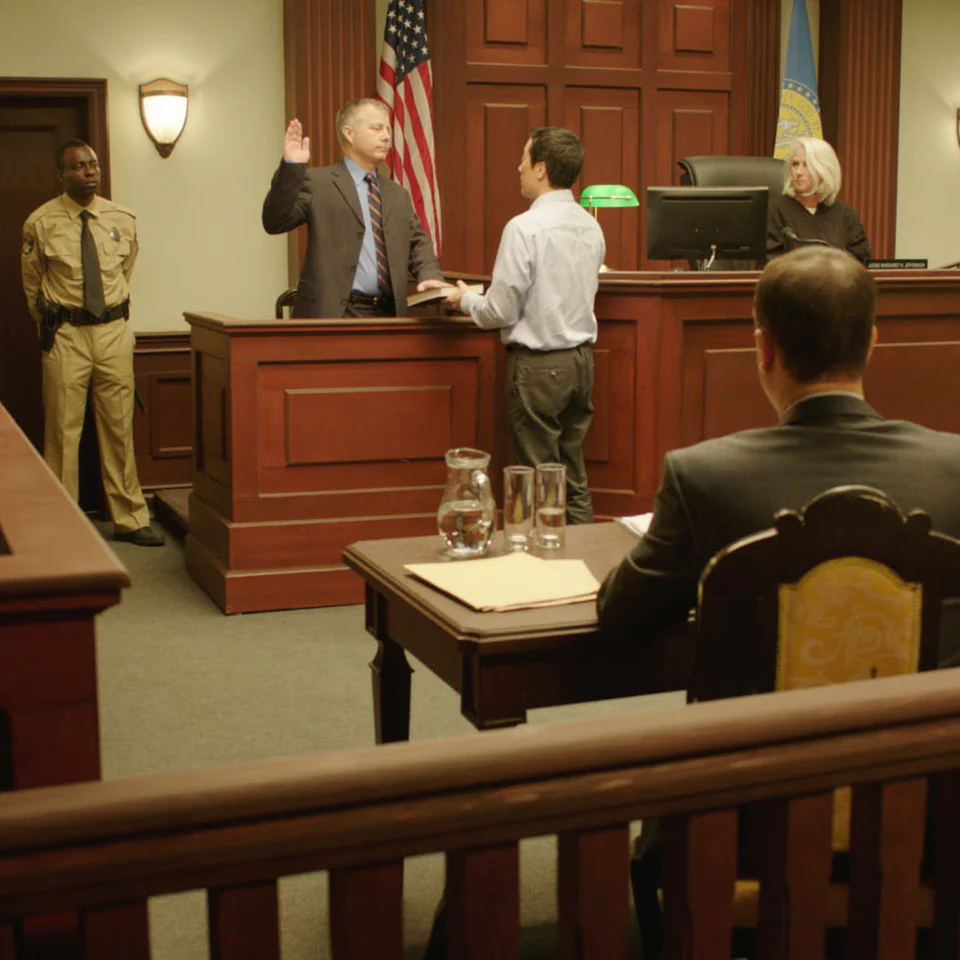
Once the case gets moving, credibility becomes the oxygen in the room. Jurors can forgive nerves. They can forgive a rough voice or a clumsy phrase. What they rarely forgive is a witness who feels slippery. The second that scent reaches the box, damage spreads fast.
A believable witness does more than answer questions correctly. That witness sounds anchored in lived detail. He remembers the odd pause before the crash, the cold hallway outside the office, the exact moment the meeting turned sour. Real memory has texture. Made-up testimony usually arrives too polished, like a rental car with new wax.
Cross-examination tests that texture in brutal ways. A calm witness who admits small mistakes often survives well. A defensive witness who fights every point usually digs a deeper hole. I have always thought jurors respect candor more than perfection. They know human beings miss things. They hate being played.
Expert witnesses face the same test, just dressed in nicer language. If an expert teaches, jurors listen. If an expert performs, jurors roll their eyes. That matters in technical cases where jargon can cloud common sense. Once an expert feels hired rather than honest, the whole side loses lift.
This is also where jury verdicts start tilting. Not because jurors ignore law, but because they decide law through people. A witness they trust can carry a hard fact. A witness they distrust can poison ten good facts. That is courtroom reality, and pretending otherwise is just academic theater.
The Story That Sticks Usually Beats the File That Sprawls
After credibility settles in, the next contest becomes memory. Jurors do not take the full case home in perfect order. They carry fragments, impressions, and emotional weight. The side that turns those pieces into a clean, durable story usually owns the edge.
That does not mean the flashiest story wins. Cheap drama often backfires. What works is a story with internal gravity, where each witness, document, and argument pulls in the same direction. A good case story lets jurors repeat it in plain language during deliberations. If they cannot explain it simply, they will not defend it confidently.
Take a medical negligence trial. One side may drown the room in charts, records, and competing timelines. The other side may frame the case around a simple point: warning signs appeared, someone saw them, and nobody acted in time. Same file, same facts, different grip. One sprawls. One lands.
Lawyers sometimes make a bad mistake here. They think more information equals more persuasion. Usually it just equals more clutter. Jurors do not reward overload. They reward meaning. A trimmed case often feels stronger because it respects their attention and sharpens the moral center of the dispute.
That creates a natural bridge to the next piece. Even the best story can wobble if the lawyer delivering it loses command of timing, tone, or judgment under pressure. Courtroom storytelling is not writing. It is live handling.
Lawyer Conduct and Courtroom Judgment Change the Temperature Fast
A trial lawyer can raise or lower the temperature of a case within minutes. Jurors notice when counsel interrupts too much, argues with the judge, or turns every objection into a stage show. They also notice restraint. Good judgment looks simple from the gallery, but it wins respect.
Opening statements show this almost immediately. A lawyer who promises the moon and later delivers a candle wrecks trust. A lawyer who speaks plainly, makes measured promises, and then proves them earns room to breathe. That gap between promise and proof matters more than dramatic phrasing ever will.
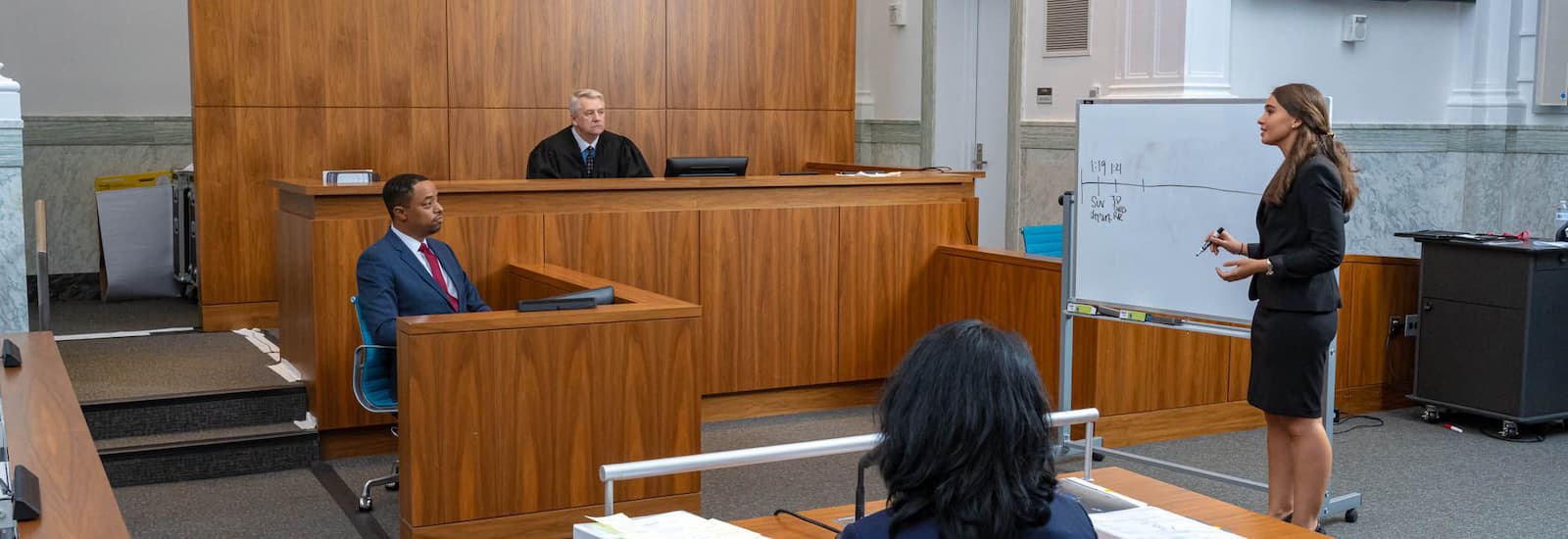
Cross-examination gives lawyers another chance to help or hurt themselves. A sharp, focused cross can expose a lie with surgical force. A bullying cross can turn a weak witness into a sympathetic one. That reversal happens all the time. Jurors dislike arrogance more than lawyers like to admit.
Even physical habits matter. Pace, eye contact, voice control, and document handling all signal command. A lawyer fumbling with exhibits in a high-stakes moment leaks confidence into the floor. A lawyer who stays steady during a surprise objection tells jurors, without saying a word, that the case still stands strong.
By this point, the room has its own weather. That weather shifts again when the judge steps in, because judicial control shapes how jurors read fairness, order, and seriousness from the bench.
Judges, Instructions, and Timing Often Decide the Tight Cases
A close case often turns on judicial choices that casual observers barely notice. Judges rule on objections, set the pace, manage witness limits, and decide how much latitude each side gets. Jurors may not know every legal rule, but they feel the structure the judge builds around the trial.
Instructions carry even more force than people think. Jurors do not decide cases in a vacuum. They answer questions through the judge’s legal frame. If the instruction narrows causation, defines intent tightly, or explains burden with real clarity, the route to a verdict changes. Sometimes one phrase does it.
Timing adds another layer. A late-breaking exhibit, a witness who unravels on the last day, or a strong closing right before deliberation can hit harder than something technically bigger that happened early. Human memory has its own pecking order. Recency gets a vote.
This is where trial factors reveal their full power. Verdicts do not come from one magic moment. They come from accumulation, then compression. Jurors gather signals all week, then press them into a final answer under time pressure. The side that anticipated that process usually stands taller when deliberations begin.
And here is the part many readers miss: the lesson does not belong only to lawyers. If you are a client, witness, student, or observer, you need to see trials as human systems, not just legal rituals. That perspective changes everything.
Conclusion
Courtroom verdicts do not rise from pure law alone, and pretending they do helps nobody. Real trials run on proof, yes, but also on memory, credibility, timing, judgment, and the emotional discipline of everyone in the room. Once you see that, verdicts stop looking random and start looking earned, squandered, or steered.
The strongest lesson is simple. Trial factors work together. A clean story means little if your witness folds. A strong witness can still lose force if the lawyer overplays the moment. A sharp lawyer may still struggle if the judge’s rulings tighten the path. Trials are not won by one heroic burst. They are won by steady control of many moving parts.
That should change how you watch any case from this point forward. Stop asking only who had the better legal argument. Ask who built trust, who stayed clear, who respected the jury’s attention, and who adapted when the room shifted.
If you care about legal outcomes, study the courtroom with sharper eyes. Then take the next step: read trial transcripts, watch live proceedings, and train yourself to spot the signals before the verdict makes them obvious.
What factors influence a jury verdict in a courtroom trial?
Jurors usually respond to credibility, clarity, and consistency before anything else. They weigh the witnesses, the story, and whether the evidence fits common sense. Legal rules matter, but people still decide through human judgment, memory, emotion, and trust during deliberations.
How does witness credibility affect trial outcomes in the USA?
Witness credibility can lift a shaky case or sink a strong one. Jurors forgive nerves and imperfect memory, but they punish evasiveness. When testimony feels honest, details carry weight. When a witness sounds rehearsed, even solid evidence starts losing power in deliberations.
Why do opening statements matter so much in jury trials?
Opening statements give jurors their first clean map of the dispute. A good one frames what matters and what does not. A bad one creates confusion or overpromises. Once expectations harden early, every later witness gets measured against that starting impression.
Can a lawyer’s behavior really shape a final verdict?
A lawyer’s behavior affects how jurors read the whole side. Calm control builds confidence. Snapping at witnesses, posturing for effect, or picking needless fights drains goodwill. Jurors may not discuss style openly, but it quietly influences how they trust arguments and evidence.
How do judges affect verdicts without deciding the facts?
Judges guide the structure around every trial decision. They rule on evidence, manage pace, and explain the law jurors must apply. In close cases, that framework matters enormously because it shapes what the jury hears, how they hear it, and what counts.
What kind of evidence persuades jurors the most in court?
Jurors usually trust evidence that feels concrete, connected, and easy to test. A clear timeline, a believable witness, or one strong document often beats a pile of weak material. People remember what fits together cleanly and supports a sensible version of events.
Do expert witnesses help or hurt a courtroom case?
Expert witnesses help when they teach instead of showing off. Jurors listen to experts who explain hard ideas in plain language and admit limits honestly. Experts hurt a case when they sound hired, evasive, or overly polished. That shift happens faster than lawyers expect.
Why do some strong legal cases still lose at trial?
Strong legal claims still lose when the courtroom presentation falls apart. Maybe the witnesses stumble, the story sprawls, or the lawyer misreads the jury. Trials reward proof that lands clearly. A good file alone does not carry itself across the finish line.
How important is jury selection in shaping courtroom verdicts?
Jury selection matters because it sets the emotional tone of deliberations before evidence begins. Lawyers who spot bias, resentment, or rigid thinking gain an edge. One poorly seated juror can drag discussion off course, especially in tense cases involving blame or money.
Do jurors remember facts or stories better during deliberation?
Jurors remember facts better when those facts live inside a clean story. Raw information fades quickly under stress. A sequence with motive, action, and consequence stays put longer. That is why lawyers who organize proof well usually perform better once deliberations begin.
What makes jury verdicts feel unpredictable to the public?
Verdicts feel unpredictable because outsiders often see only the headline facts. Jurors see tone, hesitation, contradictions, and the judge’s instructions up close. Jury verdicts can look shocking from a distance, yet make total sense inside the lived rhythm of trial.
How can someone better understand what shapes trial verdicts?
You understand verdicts better when you watch trials as human contests, not just legal puzzles. Read transcripts, study witness exchanges, and notice what jurors likely remember. That habit sharpens fast. Soon, courtroom outcomes stop feeling mysterious and start feeling explainable.