
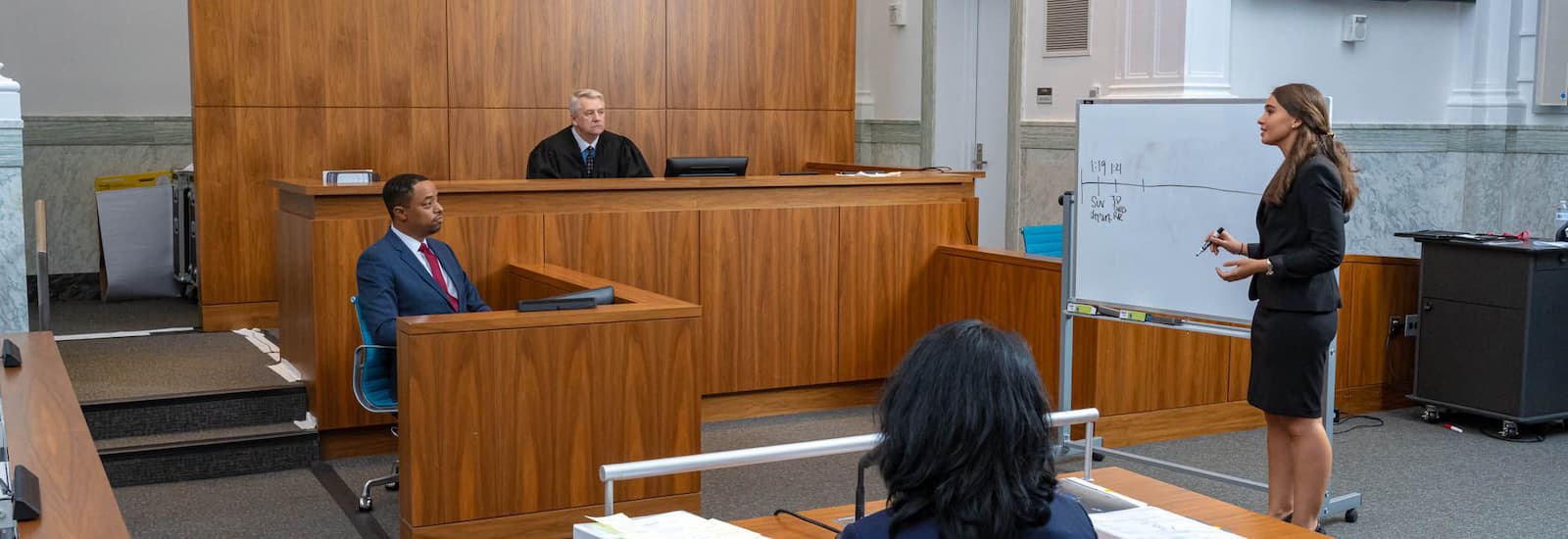
Trials look dramatic from the outside and strangely ordinary from the inside. That contrast fools people. You expect thunder, but most days in court run on smaller things: timing, pressure, eye contact, bad answers, smart silence, and the split-second choice to stop pushing before the room turns against you. That is why trial diaries matter more than most people realize. They catch the pulse of a case while it is still alive, not after it has been cleaned up for the record.
You begin to understand a courtroom when you stop chasing only the loud moments. A witness pauses half a beat too long. A juror quits writing. A judge cuts off a wandering question before counsel can recover. None of that feels historic while it happens. Later, it explains the whole day. Procedure tells you what the court permits. Observation tells you what the room believes. If you want to read a trial well, you need both. Not one. Both.
The Hidden Record Behind the Public Trial
A case file gives you order. A live trial gives you friction. On paper, everything looks arranged, labeled, and almost civilized. In the courtroom, that same case can feel unstable by ten in the morning. One witness gets defensive. One exhibit lands badly. One ruling changes the rhythm. That is where private notes start earning their keep.
The value of a running trial record is not fancy language. It is precision. Good notes capture sequence, reaction, tone, and consequence. They tell you not only what happened, but when the case started leaning. That matters because memory is arrogant. Everyone in court thinks they will remember the turning point. Most people remember the loud part instead.
The sharpest note-takers do something most beginners miss: they track atmosphere without becoming vague. They write down the ruling, then the mood after the ruling. They mark the answer, then the witness’s hesitation before the answer. They notice when one bad moment infects five good ones. That is not gossip. That is disciplined observation.
Federal courts still preserve proceedings through court reporters and approved transcription systems, which create the formal written record. That record is essential, but it serves a different purpose from the working notes lawyers and observers build during the contest itself. Mixing those two jobs together is a beginner’s error. ourt Beats Polished Theory
People who have never sat through a real trial often imagine that the best legal argument wins by force of logic alone. That sounds tidy and feels wrong the minute you watch an actual witness under pressure. Law matters. So does delivery. So does timing. So does whether the judge looks irritated before counsel finishes the second sentence.
That is why courtroom proceedings reward the people who listen harder than they speak. Momentum shifts before anyone admits it has shifted. A juror stops taking notes during a repetitive cross. A witness who looked composed at 10 a.m. looks brittle after lunch. A lawyer who came in hot suddenly starts sounding careful. The room is always voting, even when nobody is speaking.
Take a fraud case with thousands of pages of emails and one key executive on the stand. The documents may support the same theory all day long, but the witness decides whether that theory feels true. Push too hard, and jurors may protect the witness. Stay calm, pin down two contradictions, then sit down, and the point starts doing its own work. Restraint wins more trials than ego does.
That wider truth shows up in the numbers too. In federal criminal cases, about 90% of adjudicated defendants pleaded guilty in 2022, and only 2% were convicted through a bench or jury trial. When a case actually reaches trial, every live detail matters more because the ordinary shortcut has already failed. Shape the Case Before Testimony
Most outsiders think the trial begins when the first witness takes the oath. That is too late. The shape of the fight often hardens before anyone says a word from the stand. Scheduling orders, pretrial rulings, exhibit limits, timing rules, and conference decisions quietly build the battlefield long before the jury settles in.
That is one reason judges carry so much unseen influence. A firm judge can strip a bloated dispute down to what actually matters. A loose judge can let clutter eat the oxygen in the room. Neither move looks cinematic, but both can decide how jurors experience the case. Court is not just argument. Court is managed attention.
Rule 16 in federal civil practice gives judges room to hold pretrial conferences aimed at tighter control, better preparation, and smoother handling of evidence. That sounds technical until you watch it work. One clean ruling can cut three days of nonsense. One sloppy ruling can invite a week of drift. Procedure is not decoration. It is structure with real consequences. rvers learn to read these early decisions as signals. If the judge keeps trimming repetition, brevity will matter. If the judge allows a broader story, narrative control will matter more. You can often tell what kind of trial is coming before the first exhibit reaches the screen. That is not magic. That is attention paid early.
What Witness Pressure Reveals in Real Time
Witness testimony looks solid from a distance. Up close, it breathes, wobbles, tightens, and sometimes cracks. Memory behaves differently under stress than it does in a conference room. A witness who sounded certain in preparation can suddenly become careful, evasive, or oddly combative once a real document appears in front of twelve strangers.
That is why skilled trial lawyers do not chase every mismatch. They chase the contradictions that damage trust. A fuzzy recollection about time may mean little. A hard denial followed by an email that says the opposite can poison the rest of the testimony. Jurors usually forgive imperfection. They do not forgive confidence that collapses on contact.
The strange part is how often the strongest witness is not the polished one. It is the accountant who answers plainly. It is the officer who admits what he cannot recall. It is the neighbor who gives one plain detail too ordinary to invent. Small truths travel well in a jury box. Big performances often die there.
If you are studying trials for legal work, reporting, or research, watch the second answer more closely than the first. The first answer is often rehearsed. The second answer belongs to stress. That is where a story either steadies itself or starts to wobble in public.
Why the Transcript Matters After the Verdict
Once the hearing ends, the room goes quiet and paper takes over. That is when the official record starts doing its hardest work. Appeals, fee fights, post-trial motions, sentencing arguments, and later reporting all depend on what can be shown, not what someone swears the atmosphere felt like afterward. Memory talks big. Records survive.
Still, the formal transcript has limits, and pretending otherwise helps nobody. It preserves words and rulings, which is indispensable. It does not fully preserve the pause before an answer, the visible irritation after an objection, or the subtle damage done when jurors hear the same point for the fifth time. That is why serious case readers pair the transcript with disciplined notes rather than treating either one as complete. matters because trials sit inside a larger machine. Civil cases in federal court move through complaint, service, motions, and other structured steps before any trial may happen at all. The hearing everyone remembers is only one part of the legal story, not the whole thing. t is simple and hard at the same time: trust the record for what must be proved, and trust your notes for what must be understood. Do that well, and you stop watching court like a spectator. You start reading it like someone who can see where the case truly turned.
Conclusion
The smartest way to study a courtroom is to stop worshipping the loudest moment and start tracking the honest one. Verdicts matter. Rulings matter. Transcripts matter. Yet real understanding usually gathers in the pauses, the pivots, and the bits of control nobody applauds. That is where trial diaries become far more than scribbled notes. They become judgment in written form.
You do not need to be a senior lawyer to get value from that habit. You need attention, discipline, and the humility to write things down before your own memory starts editing the day into a prettier story. Courtrooms move fast. Meaning moves faster. The people who record those shifts clearly end up seeing more than the people who rely on confidence alone.
So do something practical with this. Pick one recent case. Read the transcript. Then rebuild the day from the human signals around it: timing, witness strain, judicial control, and the moments when momentum changed hands. That exercise will sharpen your legal reading far more than another stack of polished summaries. Start there today, and let your next courtroom read be a better one.
What are trial diaries in U.S. court practice?
Trial diaries are private running notes that track what happens during a case day by day. They are not the official record. They help lawyers, reporters, and researchers capture mood, sequence, witness reactions, and tactical shifts that transcripts often miss.
How do courtroom proceedings differ from trial transcripts?
Courtroom proceedings include tone, pacing, pauses, body language, and the room’s reaction while events unfold live. A transcript preserves spoken words and rulings. You need both sources if you want a fair picture of what happened and why it mattered later.
Why do lawyers keep detailed notes during trial?
Lawyers keep detailed notes because memory fails under pressure. Good notes preserve impeachment points, track objections, flag contradictions, and reveal what impressed or irritated the judge or jury. They also help shape cross-examination, closings, and later post-trial filings.
Are trial diaries admissible as evidence in court?
Trial diaries usually are not evidence by themselves. They are working notes used for preparation, strategy, and recall. In rare disputes, a note may become relevant, but most of the time it remains a private tool rather than formal proof.
What happens first in U.S. courtroom proceedings before testimony begins?
Before testimony begins, the court handles motions, scheduling issues, witness logistics, exhibit concerns, and last-minute evidence fights. That early stretch looks dull to outsiders, yet it often decides how cleanly the trial runs once jurors begin watching the case.
Why do witness reactions matter so much during trial?
Witness reactions matter because jurors judge credibility with their eyes as well as their ears. A careful answer can build trust. A defensive answer can break it. Trials turn on belief, and belief often shifts the moment pressure arrives in court.
How do judges influence a trial without testifying or arguing?
Judges influence trials through timing, rulings, tone control, and limits on proof. They decide what jurors hear, how long lawyers get, and when repetition stops. A judge does not need center stage to shape the entire tempo of a case.
Can researchers use trial diaries to study legal culture?
Researchers can use trial diaries to study legal culture when they treat them carefully. Notes reveal habits, power dynamics, and unwritten courtroom customs. They should not replace the record, but they can explain behavior that formal filings flatten or ignore.
Why are so few federal criminal cases decided by trial?
So few federal criminal cases reach trial because plea bargains resolve most of them. That pattern reflects risk, cost, sentencing pressure, and negotiation. When a case does go to trial, each decision carries more weight because settlement has already failed.
What should journalists watch during courtroom proceedings?
Journalists should watch rulings, witness credibility, juror attention, lawyer discipline, and changes in momentum. The best reporting does not just quote dramatic lines. It explains why a quiet exchange, document, or restrained answer shifted the direction of the case.
How can law students learn from trial diaries without being in court?
Law students can learn by pairing transcripts, motion papers, and careful trial reporting, then rebuilding the flow of the day in their own notes. That habit teaches sequence, persuasion, and pressure. Doctrine helps, but live decision-making teaches judgment faster.
What is the best way to read a court transcript critically?
Read a transcript with a pencil and suspicion. Mark where answers tighten, where objections disrupt flow, and where the judge steps in. Then ask what the page cannot capture. The gap between text and room is where deeper insight begins.
For SEO support, good internal link targets would be a post on U.S. appeals/case review and another on trial preparation tips. A solid outbound authority link is the U.S. Courts page on federal court reporting and transcripts.