

Courtrooms reward attention and punish assumptions. You can read a hundred pages of filings, memorize the parties, and still miss the real pulse of a case if you never sit in the room where decisions land. Trial observation matters because law is not only written argument. It is timing, tone, pressure, restraint, and the small shifts that tell you what actually moves a judge or jury.
That is why smart court case research starts before you ever type a note. Federal courts generally allow public access to most proceedings, and federal case records can often be found through PACER, which says it provides access to more than 1 billion filed documents. Those facts help, but the real edge comes from what you notice live: who looks prepared, what lands flat, when a witness starts slipping, and where the judge’s patience ends.
If you want stronger legal analysis, better issue spotting, and research that sounds like it came from someone who was actually there, you need more than a transcript habit. You need courtroom instincts.
Reading the Room Before a Word Is Spoken
Good observers start working before the hearing begins. The room tells you things the docket never will. You can learn plenty by watching where counsel sits, who arrives rushed, who chats with the clerk, and who keeps shuffling exhibits like a person trying to outrun panic. None of that proves the merits. It does reveal posture.
Your first job is simple: stop treating the courtroom like a stage and treat it like a system. Check the court calendar in advance, confirm the courtroom, and get there early enough to settle in without drama. Federal courts note that members of the public can often review calendars online or at the courthouse before observing a session. That small step saves you from wandering in halfway through the argument like a tourist who took a wrong turn.
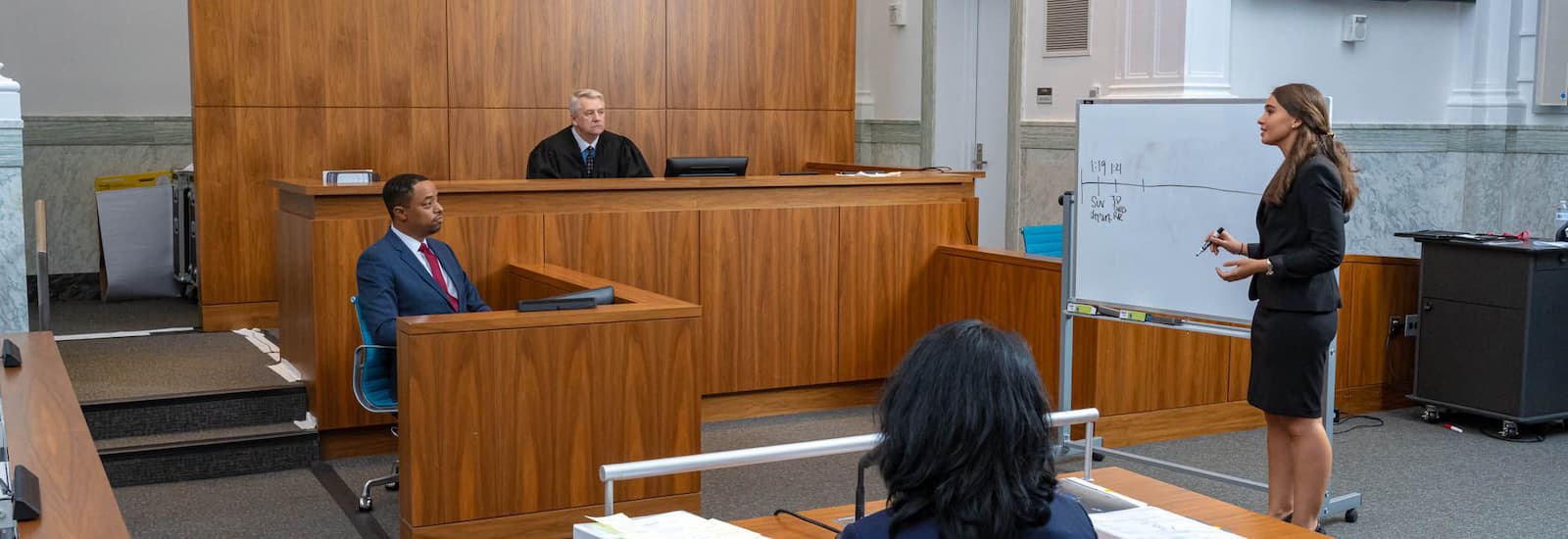
Seat choice matters more than people admit. Sit where you can see the judge, witness stand, and both counsel tables without craning your neck every thirty seconds. If you cannot see reactions, you are missing half the event. Trials are not radio.
You also need a plan for what kind of proceeding you are watching. A suppression hearing, status conference, jury trial, and sentencing all reward different kinds of attention. If you arrive without that frame, your notes turn into a messy pile of quotes with no hierarchy. Useful observation is selective, not frantic.
One more thing. Dress plainly, move quietly, and act like you belong there. The best observer in the room is usually the one nobody notices.
Building a Note System That Catches What Transcripts Miss
Most beginners take notes like frightened stenographers. They chase every sentence, miss the turning points, and leave with pages full of words but no judgment. That is not research. That is hand cramps.
You need a note system with lanes. I like five: procedural moment, factual dispute, credibility signal, judicial reaction, and unanswered question. That structure forces you to record what matters instead of everything that happens. A transcript can give you language later. Your job in the room is to catch meaning while it is still alive.
This is where trial observation becomes more valuable than passive reading. A witness saying “I don’t recall” matters. A witness saying it while staring at the ceiling, speaking slower, and gripping the chair matters more. The second version gives you context. Context is where smart analysis begins.
Short marks beat long sentences. Use symbols for sustained objections, quick admissions, visible hesitation, or repeated themes. Build your own shorthand and keep it consistent. If the judge interrupts with the same question three times, mark it. Repetition from the bench is rarely random.
You should also separate direct observation from inference. Write one note for what happened and another for what you think it means. That habit protects you from sounding overconfident later. It also makes your later memo sharper because you can test your impression against the actual record.
The cleanest notes do not look fancy. They look useful the next morning.
Watching People, Not Just Procedure
Law students and new researchers often stare so hard at objections and rulings that they forget a trial is still made of human beings. Procedure shapes the road, yes, but people drive the car. Sometimes badly.
Start with the judge. Every judge has a tolerance pattern. Some want crisp answers and hate throat-clearing. Others allow longer runways before cutting counsel off. If you watch closely, you will notice what kind of advocacy gets rewarded in that room. That is gold for future case planning because it helps you predict not just outcomes, but style.
Then watch lawyers under pressure. A polished opening means little if counsel unravels during witness control. I have seen attorneys with beautiful binders lose the room because they would not stop arguing with a simple yes-or-no answer. You do not forget lessons like that. They stick because they are embarrassing in real time.
Witness behavior deserves its own column in your notes. Confidence is not the same as credibility. Some honest witnesses look awful. Some slippery ones sound smooth. Your job is not to mistake polish for truth. Your job is to compare demeanor with documents, prior statements, and how the story holds up under stress.
Juries, when visible, can also teach you what theory is landing. Not perfectly. Not always. But often enough to matter. A room goes still when a fact finally clicks.
That is why court case research built from live observation has an edge. You are not just collecting information. You are learning how legal arguments survive contact with real people.
Using Court Records Without Getting Buried
Live observation sharpens your instincts, but records keep you honest. The trick is knowing how to use them without drowning in paper. Too many researchers either ignore filings and trust their impressions, or hide in the docket and never test theory against the live scene. Both habits are weak.
Start with a simple sequence: docket sheet, operative complaint or indictment, major motions, key orders, witness lists if available, and then whatever was argued that day. PACER allows users to search federal appellate, district, and bankruptcy case information, and the PACER Case Locator serves as a nationwide index that is updated daily. That means you can usually trace the procedural spine of a federal case before you ever step into court.
What you should not do is download everything because it feels productive. That is the legal research version of panic shopping. Pull documents with purpose. Ask one question first: what am I trying to prove, check, or understand?
Use the hearing you watched to guide the file review. If the judge seemed irritated about a late disclosure, read the scheduling history. If a witness folded under impeachment, find the earlier statement. If counsel kept returning to one phrase, search where it first appeared in the papers. Now the record has shape.
This is also where you separate the strong researchers from the paper hoarders. Strong researchers know when a filing matters because they saw the courtroom consequence. Paper hoarders collect PDFs like dragon treasure and still cannot explain the case in plain English.
Records matter. But raw volume impresses nobody.
Turning One Day in Court Into Better Analysis
The value of observation does not end when you leave the building. Frankly, that is where the real work starts. If you wait two days to process what you saw, memory sands off the useful edges and leaves you with a vague feeling that somebody seemed convincing.
Write your post-hearing memo the same day. Not polished. Just clear. Break it into three parts: what happened, what mattered, and what changed in your understanding of the case. That last part is the one people skip, and it is usually the most important.
You should also force yourself to name one mistaken assumption. Maybe you thought a witness would dominate and they collapsed. Maybe you assumed the judge favored one side and the questioning told a different story. Good researchers do not protect old theories out of pride. They kill bad theories early and move on.
Give one grounded example in your memo. If opposing counsel lost momentum after a document foundation fight, say that plainly. If the judge’s tone shifted after a certain answer, pin that moment down. Analysis earns trust when it rests on observable moments, not vague confidence.
Then connect your work to next steps. That might mean reading a narrower slice of filings, comparing this hearing to another in the same court, or drafting a research note on a single evidentiary issue. Real progress comes from tightening focus, not expanding chaos.
A day in court should leave you with fewer illusions and better questions. That is a strong trade.
Conclusion
The people who get the most from courtroom watching are not the ones with the fanciest notebooks or the fastest typing. They are the ones who learn how to see. They catch tension before it becomes a ruling, weakness before it becomes a concession, and rhythm before it becomes strategy. Trial observation is not passive attendance. It is trained attention with a purpose.
That distinction matters if you want your legal research to sound alive instead of recycled. Good court watching teaches you which facts carry weight, which arguments survive pressure, and which courtroom habits quietly wreck a case. It also makes you more honest, because the room rarely flatters lazy assumptions.
So do not just read about cases from a distance. Pick a court, check the calendar, review the docket, and go watch with intent. Then turn what you saw into cleaner notes, tighter analysis, and sharper judgment. The next step is simple: choose one live proceeding this week and build a research memo from it. That is where your edge starts.
What are the best trial observation tips for first-time court researchers?
Arrive early, learn the case posture, and sit where you can see everyone clearly. Focus on rulings, reactions, and witness control instead of chasing every word. Your goal is not perfect transcription. Your goal is better judgment backed by clean notes.
How do I observe a court case without interrupting proceedings?
Stay quiet, silence your phone, and follow the courtroom deputy’s directions without hesitation. Dress plainly and avoid dramatic movement. You are there to watch, not perform. The less attention you draw, the more likely you are to notice what matters most.
Why is live courtroom observation better than reading transcripts alone?
Transcripts capture words, but they miss timing, hesitation, tone, body language, and room pressure. Those details shape how testimony lands. When you watch proceedings live, you see how judges, lawyers, and witnesses respond in the moment, which sharpens later legal analysis.
How should I take notes during a trial for research purposes?
Use categories instead of long paragraphs: procedure, facts, credibility, judicial reaction, and follow-up questions. Mark important moments with symbols or short phrases. Keep observations separate from conclusions. That simple split saves you from confused thinking when you review your notes later.
What should I watch first in a courtroom hearing?
Watch the judge’s reactions before anything else. Judicial patience, interruptions, and follow-up questions tell you where the pressure sits. After that, study witness control and lawyer pacing. Those two signals often reveal whether a case theory sounds strong or starts wobbling.
Can I use PACER before attending a federal court proceeding?
Yes, and you should. PACER helps you review the docket, locate major filings, and understand the dispute before you walk in. That prep keeps you from getting lost in courtroom shorthand and lets you focus on what changed during the live proceeding.
How do I know which hearing is worth observing?
Pick hearings where facts or strategy will actually surface, not routine scheduling matters. Motions with live argument, witness testimony, evidentiary disputes, and sentencing hearings usually teach more. The best hearing is one where you expect pressure, conflict, and visible decision-making.
What mistakes do new legal researchers make when observing trials?
Most beginners write too much, interpret too soon, and watch only the speaker. They miss the judge’s face, opposing counsel’s reaction, and the witness’s discomfort. Bad observers collect words. Good observers collect signals, then test those signals against the official record.
How can courtroom observation improve legal writing?
It teaches precision. After watching real proceedings, you stop writing abstract analysis that floats above reality. You start naming turning points, pressure moments, and practical consequences. That makes your memos sound informed, because they come from lived observation rather than sterile summary.
Should I focus more on witnesses or the judge during a trial?
Start with the judge because the judge controls the room and reveals what matters. Then shift to witnesses when testimony becomes central. This is not an either-or choice. Strong observers track both, because courtroom meaning usually sits in the interaction between them.
How do I turn courtroom notes into a research memo?
Write the memo the same day while details still feel sharp. Separate it into what happened, why it mattered, and what you need to check next. Add one or two concrete examples. Then compare your impressions against filings, orders, and transcripts if available.
Are court proceedings in the USA always open to the public?
No. Many are open, but not every proceeding gives full public access. Courts can limit access in certain situations involving privacy, safety, sealed matters, minors, or protected information. Always check the local court’s rules, calendar, and posted guidance before attending